
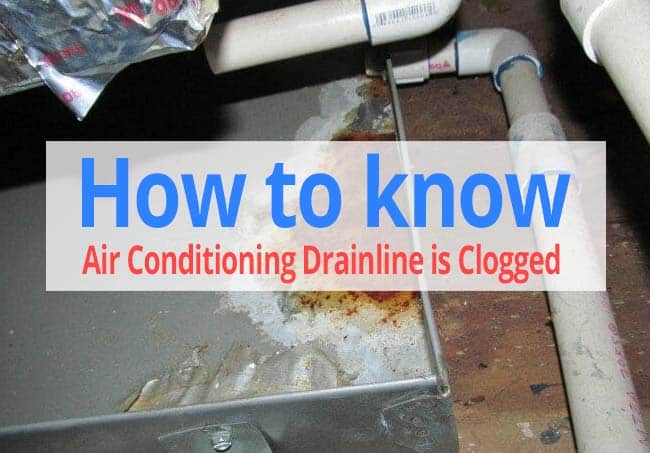
A clogged AC drain line can shut your cooling system down fast, and South Florida humidity makes the problem even worse. Watch for these signs of a clogged AC drain line so you can stay cool, avoid water damage, and protect indoor air quality.
Clogged AC Drain Line Indicators
Your air conditioner works hard to cool and de-humidify, so an AC drain line clogged with algae or debris will announce itself in several ways. Look for the warning signals below to head off bigger repairs.
- Water pooling around your inside unit
- Musty odors near supply vents
- Sudden shutdowns or error codes
- Visible mold growth on or around the air handler
Why Drain Lines Clog
Condensation from every cooling cycle carries dust, pet dander, and Florida’s ever-present airborne spores into the drain line. Over time that cocktail forms sludge, algae mats, and even small calcium “stalactites” that narrow or block the pipe.
- Warm moist air encourages algae blooms
- Long horizontal drain runs allow sediment to settle
- Lack of regular flushing lets biofilm harden
Pro Tip
Pouring a half-cup of distilled white vinegar into the drain every month keeps pH levels low enough to discourage most algae.
“Up to 90 % of emergency service calls we answer in summer start with a clogged AC drain line.” – All Time Air Conditioning field data, 2025
Full Drain Pan Troubles
A constantly full pan is the earliest and easiest-to-spot sign of a clogged AC drain line. Emptying the pan more than once each month signals a restriction in the condensate route.
- Plastic pans flex and crack when overloaded
- Metal pans corrode, especially near salt air
- Standing water attracts roaches, ants, and gnats
How to Check Drain Pan Status
Turn power off at the thermostat. Slide the service panel open and shine a flashlight toward the pan. Water depth greater than ½ inch means the drain line is backed up—address it immediately to prevent overflow and mold.
clogged air conditioner drain line symptoms
- Install a float switch to shut the unit off before overflow
- Insulate attic pans to reduce condensation on the pan itself
- Sanitize the pan with an AC-safe antimicrobial tablet monthly
Avoid DIY Blunders
Sharp tools used to chip away deposits can puncture PVC elbows; use a wet/dry vacuum on the outside drain port instead.
NRCA research shows a single pan overflow can add twelve pounds of moisture to attic insulation—enough to spawn mold in 48 hours.
Dripping Water Chaos
If you notice random drips from the air handler or water stains forming on drywall, your clogged AC drain line has probably reached full blockage. Immediate action prevents structural damage.
- Ceiling discoloration around supply vents
- Warped baseboards beneath a closet air handler
- Peeling paint or bubbling wall texture
Tracing the Leak
Use colored food dye in the drain pan. If colored water appears outside the unit, you have positively identified the condensate path—and a completely clogged AC drain line.
signs of clogged AC drain line
- Check the exterior termination for blockage by mulch or fire ants
- Ensure the PVC has a minimum ¼-inch fall per foot
- Add a clear PVC elbow for quick visual inspections
Call a Pro When…
…water has traveled outside the mechanical closet or attic. Flood-meter readings and antimicrobial treatments may be required to preserve drywall, studs, and flooring.
“Water travels fast—especially through drywall seams. Early intervention saves thousands in repairs.” – IICRC Water Damage Guidelines
Wet Wall Drama
A clogged AC drain line sometimes forces condensate to escape at pipe joints hidden inside walls. Touch nearby drywall for cool dampness; discoloration or a soft texture means water is tunneling behind the paint.
- Thermal imaging reveals moisture behind baseboards
- The smell of wet gypsum is a clear red flag
- Upstairs leaks can damage downstairs ceilings
Stopping the Spread
Shut the system down, place absorbent towels at the base of the wall, and use a shop vacuum on the outside condensate stub to break the vacuum lock. Drywall repairs are cheaper than structural replacements.
- Cut small inspection holes for accelerated drying
- Run dehumidifiers to keep RH below 55 %
- Prime and repaint with antimicrobial additives after drying
Mold Mitigation
Mold spores germinate within 24–48 hours. If leaks lasted longer than a day, schedule a professional air quality test.
The EPA estimates 50 % of U.S. homes have hidden moisture problems directly related to HVAC condensate.
Mildew & Mold Warning
A musty odor circulating through vents—even after filter changes—usually points to biofilm inside the evaporator pan or line. Mold thrives when a clogged AC drain line traps warm water.
- Dark streaks on the HVAC closet floor
- Speckled growth on blower wheel housing
- Sinus irritation or allergy flare-ups indoors
Neutralizing the Problem
Replace disposable filters and install a MERV-13 pleated filter to capture spores. Sanitize coils with an EPA-registered HVAC coil cleaner, then flush the line with pressurized nitrogen or an AC-safe algae killer.
air conditioner drain line maintenance
- Add a UV light inside the air handler for continuous disinfection
- Swap outdated flexible drain hose for rigid PVC to reduce algae attachment
- Schedule semi-annual professional drain flushes
Health Impact
CDC data links persistent mold exposure to asthma development in children—another reason never to ignore a clogged AC drain line.
“Keeping condensate pathways clear is fundamental to healthy indoor air.” – American Society of Heating, Refrigerating and Air-Conditioning Engineers (ASHRAE)
Strange Musty Smells
Odors often develop before visible mold appears. A sour or “wet sock” smell while the blower runs is a classic indicator that bacterial colonies are hiding deep inside the coil or drain pan.
- Odor worsens when temperature set-point is lowered
- Smell lingers after the unit cycles off
- Opening windows temporarily improves odor
Deodorizing Steps
Run the fan-only mode with windows open to air out ductwork. Spray a coil-safe disinfectant into the return while the fan runs, then flush the drain with hydrogen peroxide and warm water to dissolve organic clogs.
clogged condensate line cleaning
- Use odor-neutralizing gel packs in return plenums
- Consider a REME-HALO UV air purifier for ongoing protection
- Have ducts inspected for microbial colonies if smell persists
Avoid Masking Odors
Scented candles and plug-ins only cover the problem. Remove the source—the clogged AC drain line.
Field studies show UV-C light can reduce HVAC mold counts by 99 % in four months.
DIY Troubleshooting Guide
If you feel handy, you can clear a mildly clogged AC drain line in ten minutes. Shut the power off at the breaker, then follow the steps below.
- Locate the exterior PVC condensate stub (usually by the outdoor unit)
- Attach a wet/dry vacuum hose with duct tape
- Run the vacuum for one minute; check the canister for algae or sludge
- Pour a cup of distilled vinegar or peroxide into the indoor condensate trap
- Flush with two cups of warm water and confirm steady flow outside
Tools You Need
Wet/dry vacuum, duct tape, flashlight, funnel, white vinegar or 3 % hydrogen peroxide.
- Never use bleach—it corrodes copper coils
- Avoid compressed air cans; use nitrogen or CO₂ cartridges if needed
Know When to Quit
If water backs up instantly after a flush, a hard blockage exists deeper in the line. Call a licensed HVAC pro with a mini-snake or pressurized steam system.
“Homeowners clear 70 % of partial clogs successfully; full blockages need pro tools.” – HVACR Service Management Study, 2024
Professional Solutions
Severe or recurring clogs require professional cleaning. All Time Air Conditioning techs carry high-pressure nitrogen tanks, drain-line cameras, and enzyme treatments that break down biofilm without harming PVC.
- Video inspection verifies the pipe is clear end-to-end
- Biodegradable tablets keep algae at bay for three months
- Technicians recalibrate float switches to shut down the unit before overflow
Long-Term Prevention Plans
Enroll in our Preventive Maintenance Agreement for twice-yearly coil cleaning, drain line flushing, and 24-hour priority service—perfect for South Florida rental properties.
- No overtime fees—ever
- 10 % discount on parts and labor
- Transferable to new homeowners
Money-Saving Bonus
Regular drain maintenance can improve system efficiency by 5 %, cutting annual cooling bills by up to $120 for a typical Boynton Beach home.
DOE studies show every 1 % increase in coil efficiency equals 1 % energy savings.
Book Fast Drain Line Service
Don’t let a clogged AC drain line shut down your comfort. Call All Time Air Conditioning at (561) 777-9888 or request a free estimate for clogged AC drain line repair today. We’re available 24/7 from Boca Raton to Jupiter.
Schedule your clogged AC drain line inspection now
Frequently Asked Questions
- How often should I flush my clogged AC drain line?
- Flush monthly with distilled vinegar to prevent algae and sediment buildup.
- Can bleach clear a clogged AC drain line?
- Bleach can damage copper coils; use white vinegar, peroxide, or professional enzyme treatments instead.
- Why does my AC shut off when the drain pan fills?
- A float switch kills power to protect your home from overflow. Clear the clog before resetting the switch.
- Is a clogged AC drain line covered by my warranty?
- Most manufacturer warranties exclude maintenance-related issues; enroll in a service plan to avoid surprise costs.
- What causes repeated clogs even after cleaning?
- Long horizontal runs, improper slope, or missing P-traps allow debris to settle. A professional re-pitch may be required.




Leave a Reply
Your email is safe with us.