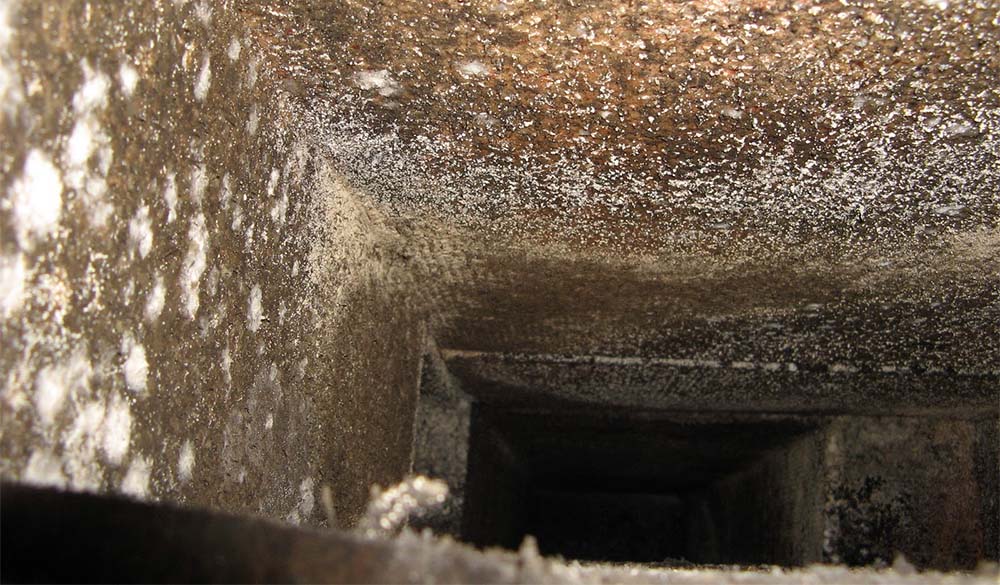
Mold in air conditioning system problems can turn every cooling cycle into a spore-spreading event. Mold in air conditioning system growth also sabotages indoor air quality, spikes energy bills, and threatens your family’s health. Secondary keywords like AC mold removal and HVAC mold appear throughout this article so you can find expert solutions fast.
Mold In Air Conditioning System Dangers
Mold in air conditioning system contamination doesn’t stay put—black mold in AC, HVAC mold, and ordinary mildew ride the airflow to every supply register. Mold in air conditioning system spores trigger allergies, asthma, and even infections, making proactive AC mold removal non-negotiable.
- Invisible spores travel through ducts with every cooling cycle.
- Mycotoxins from black mold in AC can damage lungs, skin, and eyes.
- Energy consumption climbs because mold coats coils and chokes airflow.
Common Breeding Zones
Mold in air conditioning system colonies love dark, wet real estate inside:
- Evaporator coils and drip pans
- Clogged condensate drain lines
- Supply ducts near poorly insulated attics
Why Drain Lines Matter
A blocked drain backs water into the cabinet, giving mold in air conditioning system parts a constant moisture bath.
“Excess moisture is mold’s oxygen.” —American Industrial Hygiene Association
Spotting Mold Before It Spreads
Mold in air conditioning system detection saves thousands in remediation. AC mold removal is easier when you recognize early signs.
- Musty odor on startup that fades when the blower stops
- Dark streaks on supply registers
- Allergy flare-ups only when the system runs
DIY Inspection Checklist
Kill the power, pop the blower door, and use a flashlight to scout:
air conditioner mold maintenance checklist
- Check the evaporator coil for fuzzy, greenish spots.
- Shine light into the drain pan for slime or discoloration.
- Pull the filter and inspect both sides for dark blotches.
When To Test Professionally
If symptoms persist yet visible mold in air conditioning system areas look clean, schedule air sampling with an ACGIH-certified hygienist.
“Testing without a remediation plan is pointless.” —National Air Duct Cleaners Association (NADCA)
Health Impacts You Can’t Ignore
Mold in air conditioning system spores enter lungs, skin, and eyes every day the thermostat calls for cooling. Mold in air conditioning system exposure causes itchy eyes, headaches, and can escalate to pneumonia in immunocompromised occupants.
- Allergic reactions: hives, sneezing, throat swelling
- Asthma attacks and bronchitis
- Mycotoxin complications such as fatigue and memory loss
High-Risk Groups
Children, seniors, and anyone with respiratory disease react faster to mold in air conditioning system spores.
- Infants and toddlers with developing lungs
- People undergoing chemotherapy or immunotherapy
- Workers in home offices exposed eight hours a day
Early-Warning Symptoms
Track timing: if headaches disappear outdoors, suspect mold in air conditioning system contamination.
“Indoor air can be two to five times more polluted than outdoor air.” —U.S. Environmental Protection Agency
Stopping Mold Before It Starts
Mold in air conditioning system prevention costs pennies compared with full HVAC mold remediation. Mold in air conditioning system prevention relies on moisture control, airflow, and UV technology.
- Keep relative humidity between 45-50 percent.
- Flush the condensate drain with a 50/50 vinegar solution each month.
- Add a UV-C germicidal lamp inside the coil compartment.
- Replace your filter every 30-60 days during peak season.
Smart Maintenance Schedule
Create calendar reminders so mold in air conditioning system tasks never slip.
- Spring: professional tune-up, coil cleaning, drain line vacuuming
- Summer: inspect attic ducts for condensation
- Fall: sanitize drip pan, install fresh high-MERV filter
- Winter: run the fan weekly to keep air moving
Why DIY Bleach Fails
Chlorine evaporates before penetrating biofilms; professional-grade solutions cling and destroy spores.
“Bleach can’t travel against gravity inside porous insulation.” —Florida Department of Health
Effective AC Mold Removal Methods
Mold in air conditioning system eradication demands both chemical and mechanical tactics. AC mold removal success hinges on matching the method to the infestation level.
- Localized growth: Wipe hard surfaces with an EPA-registered antimicrobial.
- Moderate spread: Remove contaminated insulation and fog ducts with botanical disinfectant.
- Severe contamination: Replace flex duct runs, install new coil, and encapsulate plenums.
NADCA Standard Process
NADCA ACR 2024 lays out eight steps for safe mold in air conditioning system remediation:
- Containment to protect living spaces
- Negative-pressure HEPA vacuums
- Mechanical agitation with rotary brushes
- Antimicrobial application
- Post-remediation verification
Cost Breakdown
Expect $450–$1,000 for a single-zone duct job; whole-home mold in air conditioning system remediation in Florida can top $3,500.
“Pay once for quality; pay twice for shortcuts.” —All Time Air Conditioning field supervisor
Top Tools For Homeowners
Mold in air conditioning system monitoring gadgets keep you ahead of trouble.
- Wi-Fi hygrometer for real-time humidity alerts
- Condensate line float switch that shuts the system off if water backs up
- UV-C LED coil stick with five-year lamp life
Choosing A UV Light
Look for 254 nm wavelength and air-flow-rated housings certified for mold in air conditioning system applications.
- Hard-wired models tie into the air handler power
- Magnetic mounts simplify lamp changes
- Units with activated-carbon grids neutralize odors
DIY Drain Line Kit
A wet–dry vac, vinegar, and a clear PVC clean-out let you flush mold in air conditioning system sludge in five minutes.
“Add a half-cup of vinegar monthly—skip bleach, save rubber seals.” —All Time Air Conditioning technician tip
Call Us For Mold-Free Cooling
Ready to end mold in air conditioning system worries for good? Our NADCA-certified pros offer same-day inspections, AC mold removal, and maintenance plans across Palm Beach County.
Get Your Free Mold Inspection Estimate
Frequently Asked Questions
- How fast can mold in air conditioning system grow?
- Within 24–48 hours of standing water or 60 percent humidity, colonies can appear.
- Will a dehumidifier eliminate mold in air conditioning system ducts?
- Lower humidity helps, but spores already in ducts require mechanical and chemical removal.
- Is black mold in AC always toxic?
- Not every dark mold is the Stachybotrys species, but any mold can cause allergies and should be removed.
- Can I spray Lysol into a return vent for AC mold removal?
- Aerosols won’t reach deep ductwork or coil fins; professional treatments atomize disinfectants under negative pressure.
- How often should I service my system to prevent mold in air conditioning system recurrence?
- Schedule professional maintenance every spring and change filters monthly during heavy use.


4 Comments
Leave your reply.